Injuries We Treat
The term “sports injury” refers to types of injuries that most commonly occur during sports activities, but they are not limited to the sports person. Factory workers are predisposed to tennis elbow, decorators can be prone to shoulder injuries, and gardeners could develop tendinitis, regardless of whether they participate in sports.
Ultimately, “sports injuries” refers to those individuals with an active lifestyle. The most common types of sports injuries are those that affect the musculoskeletal system. The musculoskeletal system consists of structures including the muscles, tendons, ligaments, bones, and other connective tissues that provides the body with stability and enables movement.
Sports injuries are divided into two broad categories, which are acute and chronic injuries.
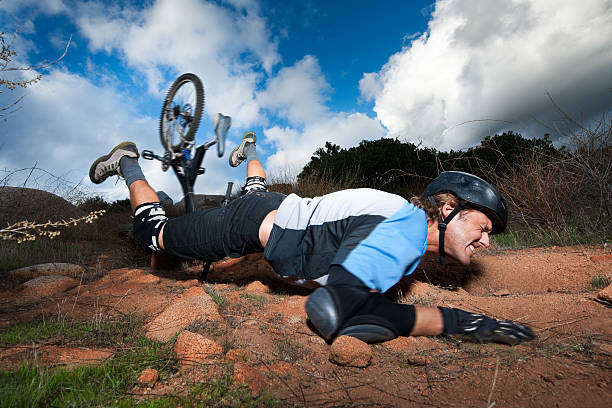
Acute Injuries
Acute injuries occur suddenly incidents such as when a person falls, receives a blow, or twists a joint. These are just some mechanisms in which acute injuries can occur.
Examples of acute injuries are sprains and dislocations.

Chronic injuries
Chronic injuries are usually a result of repetitive movement or overuse of one area of the body that develop gradually over time. Some examples of chronic injuries include shin splints and stress fractures.
Treatment for a sports injury can vary and depends on the type of injury. Minor injuries, such as mild sprains and strains, can often be initially treated at home using PRICE principles for two or three days.
PRICE stands for protection, rest, ice, compression, and elevation.
- Protection – protect the affected area from further injury – for example, by using a support.
- Rest – avoid exercise and reduce your daily physical activity. Using assistance if you are unable to weight bear on your ankle or knee. A sling may be of use if you have injured your shoulder.
- Ice – apply an ice pack to the affected area for 15–20 minutes every two to three hours. A bag of frozen peas, or similar, also work well. Always cover the ice pack in a towel to avoid it directly touching your skin to prevent ice burn.
- Compression – use elastic compression bandages during the day to limit swelling.
- Elevation – keep the injured body part raised above the level of the heart whenever possible. This may contribute also to the reduction of swelling.
If pain continues to persist after a few days or weeks, or for more serious injuries, it is best to see a health care professional to advise you further on appropriate rehabilitation.